
The best way to protect your Tallahassee home from rodents is to recognize the signs before a small problem grows. Mice and rats are secretive, mostly active at night, and can squeeze into small openings while searching for food and shelter. Although they often remain hidden, they leave behind clues that can reveal their presence. If you notice any of these warning signs, rodents may be nearby.
Identifying these signs early allows you to take action quickly and prevent a minor rodent issue from turning into a larger infestation.
If you suspect rodents may be inside your home, these 6 clues can help confirm a possible problem. Use the links below to skip to the information you need:
What Signs Point to a Possible Rodent Infestation?
Long before you see a mouse or rat, they often leave behind signs that they have moved into your home. Scratching sounds, gnaw marks, and small droppings are all clues that rodents may be nearby. Recognizing these warning signs early can help prevent costly damage and potential health concerns.
If you suspect rodents may be inside, these common signs can help confirm a potential problem:
Tracks and Rub Marks
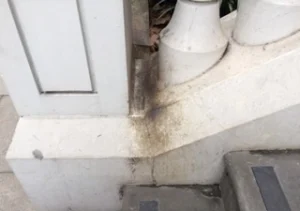
As rodents move through your home, they often follow the same paths between their nests and food sources. Over time, these frequent routes can leave behind dark, greasy marks along walls, baseboards, and floors. These visible trails can be a strong indication of rodent activity:
- Rub Marks: Rodents often travel close to walls and baseboards, leaving behind dark, greasy marks from oils and debris on their fur. These smudges can become more visible over time and may indicate areas where rodents regularly move through your home.
- Tracks: In dusty, quiet, or less frequently used areas, rodents may leave behind small footprints or tail marks. Applying a light layer of flour or cornstarch along a suspected pathway can help reveal fresh tracks and provide evidence of rodent activity.
Rodent evidence is not always obvious, but even minor signs can provide important information. Dark rub marks and tiny footprints may point to areas where rodents are active. Recognizing these clues early can help prevent a small issue from becoming a serious infestation.
Strange Noises
Rodents are most active after dark, which is often when their movements become easier to notice. Once you know the sounds to listen for, these nighttime noises can provide valuable clues that rodents may be nearby. Common sounds include:
- Scratching: Faint, rapid scratching noises coming from walls, ceilings, or other hidden areas may indicate rodents moving through your home.
- Scurrying: Quick, shuffling sounds from beneath floors, inside walls, or above ceilings can be a sign that rodents are actively traveling through these spaces.
- Squeaking: High-pitched squeaks may indicate rodents communicating with one another or reacting to stress or danger.
- Gnawing: Chewing sounds may occur as rodents gnaw on materials like wood, electrical wires, and insulation, which can lead to damage over time.
After dark, listen carefully for unusual sounds coming from areas like the attic or kitchen, where rodents are often active. These noises may be the first indication that you have a hidden rodent problem.
Droppings
One of the most common indicators of a rodent problem is finding droppings in hidden areas. The shape and size of these droppings can help identify whether you are dealing with mice, rats, or another type of rodent. Here are the differences to watch for:
- Mouse Droppings: Smaller than rat droppings, mouse droppings are typically 1/8 to 1/4 inch long and have a pointed shape similar to grains of rice. Mice can leave behind 50 to 80 droppings per day, often finding their way into cabinets, drawers, and along baseboards where rodents commonly move.
- Rat Droppings: Rat droppings are larger, usually measuring about 1/2 to 3/4 inch in length, with rounded or blunt ends that resemble small beans or olive pits. Fresh droppings are dark and shiny, while older droppings may become gray, dry, and crumbly over time.
When searching for signs of rodents, focus on hidden spaces such as behind refrigerators and stoves, under sinks, inside cabinets, and near baseboards. Droppings and damaged materials in these areas may reveal early rodent activity.
Gnaw Marks
Because a rodent’s teeth never stop growing, it must constantly chew on materials to keep them trimmed. This habit can lead to property damage and potential safety concerns. Watch for these common signs of gnawing:
- Mice: Mice leave behind small, neat gnaw marks that often look like tiny scratches on materials such as wood, cardboard, and insulation. They commonly chew to reach food sources or create nesting areas.
- Rats: Rats produce larger, more noticeable chew marks due to their powerful teeth. They can gnaw through materials like wood, plastic, and soft metals such as aluminum, often causing more extensive damage than mice.
Look for bite marks around corners, inside cabinets, on grain or pet food packaging, and near electrical cords or wires. These damaged areas often reveal where rodents have been active. Chewed wiring is a serious warning sign that may create a potential fire hazard.
Nests and Nesting Material
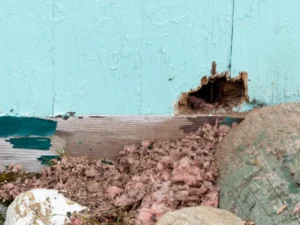
To create nesting areas, rodents gather materials such as paper, fabric, insulation, and other soft items found around your home. Their nests are usually concealed, but their activity often leaves behind noticeable clues. Here are some signs to look for:
- Mice Nests: Mice create small, loosely packed nests made from shredded materials that often look like soft balls of fluff. These nests are commonly hidden behind appliances, inside cabinets, within wall spaces, or in the corners of seldom-used drawers.
- Roof Rat Nests: Roof rats are skilled climbers that typically build their nests in elevated areas such as attics, rafters, and ceiling spaces. These hidden locations provide protection and help keep their nests out of sight.
- Norway Rat Nests: Norway rats use shredded materials to create nests inside burrows and other sheltered areas. Their nests are often found in basements, crawl spaces, or near the foundation of a home where they can remain protected.
Keep an eye out for clusters of torn or shredded materials tucked away in quiet spaces. Items like paper, cloth, insulation, and plant material may be signs that rodents are building nests nearby.
Actual Rodents
Rodents often avoid detection, making it difficult to know they are inside until they leave behind obvious signs. Recognizing the specific type of rodent causing the problem can make it easier to resolve. Here are some common household rodents found in Tallahassee:
- House Mice: One of the most common mice found around homes, house mice are small, resourceful rodents that can squeeze through tiny openings. They often nest in hidden areas such as wall voids, cabinets, attics, and cluttered storage spaces.
- Roof Rats: Known for their climbing skills, roof rats are slender rodents that often nest in elevated areas like attics, ceilings, trees, and rooflines. Their ability to access high areas makes them a common concern for homeowners.
- Norway Rats: Also known as brown rats, Norway rats are larger, heavier-bodied rodents that typically stay closer to the ground. They often create nests in burrows, crawl spaces, basements, and areas near foundations, where their powerful chewing can lead to significant damage.
- White-footed Mice: White-footed mice are small rodents with distinctive white feet and undersides. They are often found near wooded areas, fields, and landscapes, but may enter homes in search of food and shelter, nesting in quiet areas such as attics, wall spaces, and storage areas.
Finding even a single rodent inside your home may indicate that more are hiding nearby. Since rodents can reproduce rapidly, addressing the problem early is important. A professional rodent exterminator can help identify and eliminate the issue before it grows.
See Signs of Rodents? Capelouto Termite & Pest Control Can Help!
If you notice signs of rodents in your Tallahassee home, they may already be nesting and reproducing nearby. While discovering rodent activity can be concerning, identifying the problem early allows you to address it before it becomes more serious. Taking action quickly can help reduce damage, save costs, and make the removal process easier.
Capelouto Termite & Pest Control is here to help! Our team will inspect your home, identify signs of rodent activity, and create a customized plan to resolve the issue. We’ll walk you through each step so you understand the process and know what to expect.
Reach out to Capelouto Termite & Pest Control for reliable rodent control advice and a no-cost estimate tailored to your needs.


